How to Select the Best Additives for a Strong Bond
Welding is a craft that requires precision and knowledge. The choice of filler materials plays a crucial role in ensuring the strength and durability of the weld. Different metals require different fillers, and understanding these requirements can make or break a project. In this guide, you will learn about selecting the right additives to achieve optimal results.
The Importance of Choosing the Correct Fillers
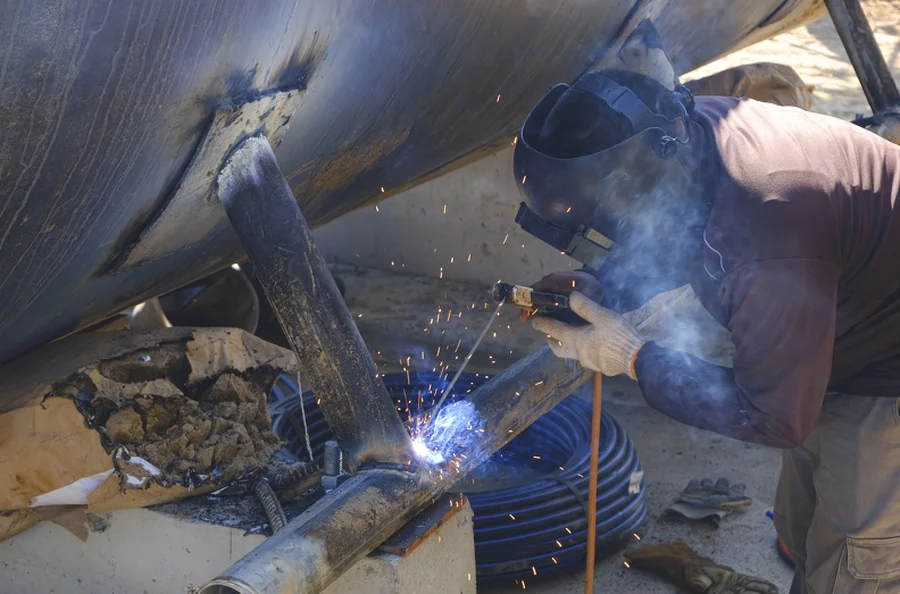
Choosing the right filler materials means understanding how they interact with the metals being joined. These fillers act as a bridge between two metal surfaces, providing strength and stability. When considering metal welding, it’s vital to choose fillers compatible with both base metals to prevent any weak points in the joint.
Common Types of Filler Materials
When engaging in metal welding, you’ll encounter various types of fillers such as rods, wires, and powders. Each type is suited for different welding processes like MIG or TIG welding. For instance:
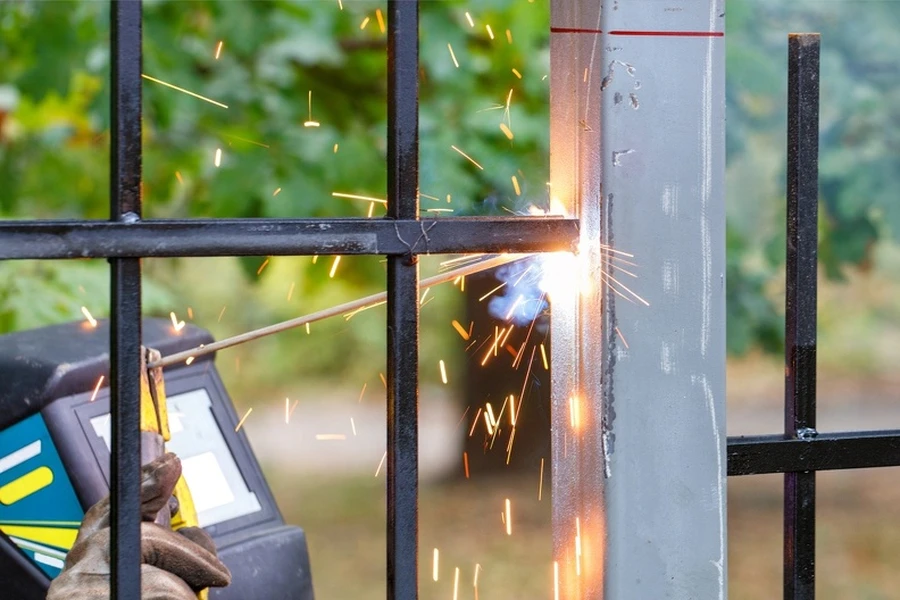
- MIG welding often uses electrode wires made from copper-coated steel.
- TIG welding typically employs tungsten rods for high-precision tasks.
- Powdered fillers are used in brazing applications where lower temperatures are preferable.
Understanding these types helps ensure that your choice aligns with your project’s needs.
Benefits of High-Quality Fillers
The benefits of using top-grade filler materials extend beyond just a strong bond. These include enhanced corrosion resistance, improved thermal conductivity, and better mechanical properties of the finished product. Quality fillers also help reduce porosity and potential cracking during cooling.
Challenges in Selecting Fillers
Selecting the correct filler material can be challenging due to factors like cost and availability. One common issue is finding a filler that matches the parent metal’s composition closely enough to avoid galvanic corrosion. Additionally, improper selection can lead to excessive wear or failure under stress, impacting long-term reliability.
Guidelines for Choosing Your Fillers
To select the best filler material, consider these steps:
- Identify the base metals involved in your project.
- Research compatible filler options for those metals.
- Consider environmental factors like exposure to moisture or chemicals.
- Evaluate the mechanical demands placed on the weld.
- Consult industry experts or guides if unsure.
Best Practices With Filler Selection
Experts recommend testing new filler materials on scrap pieces before starting your main project. This practice allows adjustments in technique without compromising final quality. Additionally, following manufacturer guidelines ensures optimal performance and safety.
Cost Implications of Filler Material Choices
The price of filler materials can vary significantly based on their composition and brand. Investing in high-quality fillers may have higher upfront costs but can lead to savings by reducing rework and extending product lifespan. Calculate potential return on investment by weighing these factors against budget constraints.
Your Next Steps Toward Successful Welding Projects
If you’re ready to improve your welding outcomes, start by reassessing your current filler selections. Located in Smyrna, TN, I specialize in offering personalized guidance tailored to your specific needs. Contact me at (615) 394-9473 to discuss how CK Welding can assist in achieving exceptional results through informed material choices.